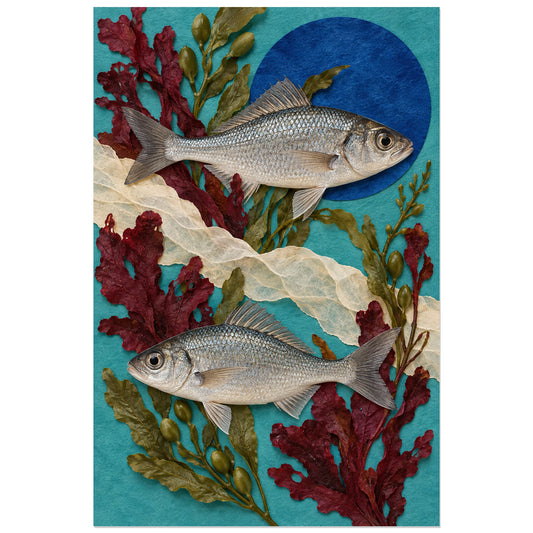
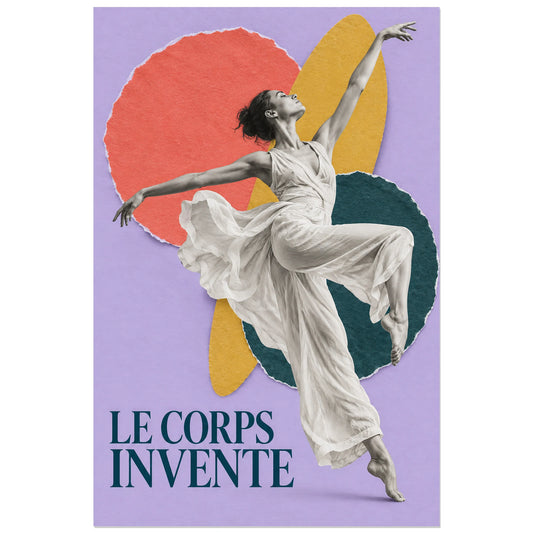
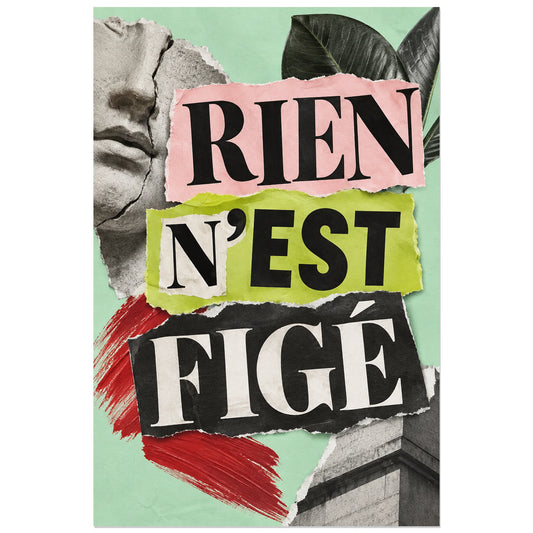
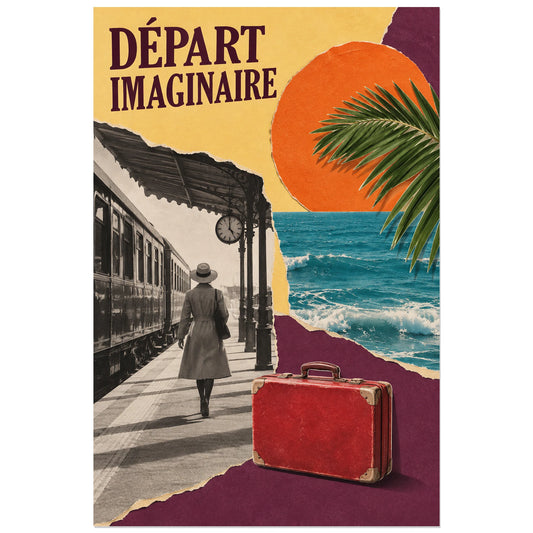
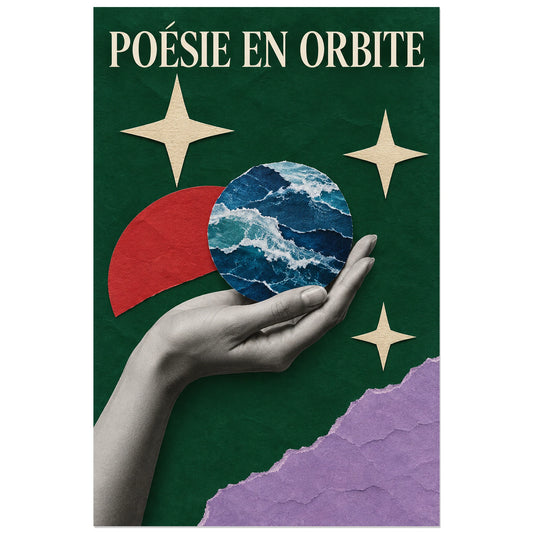
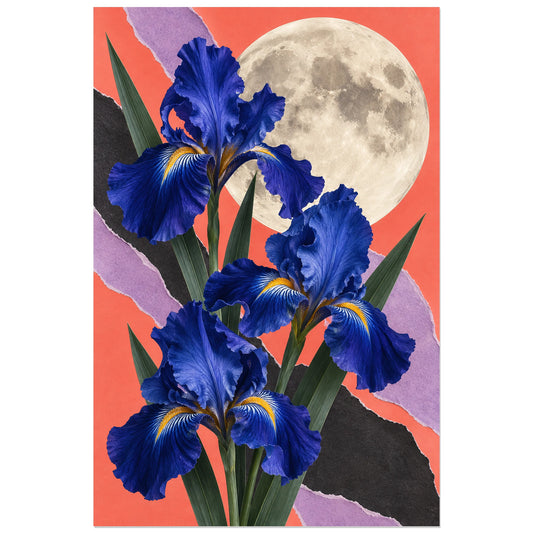
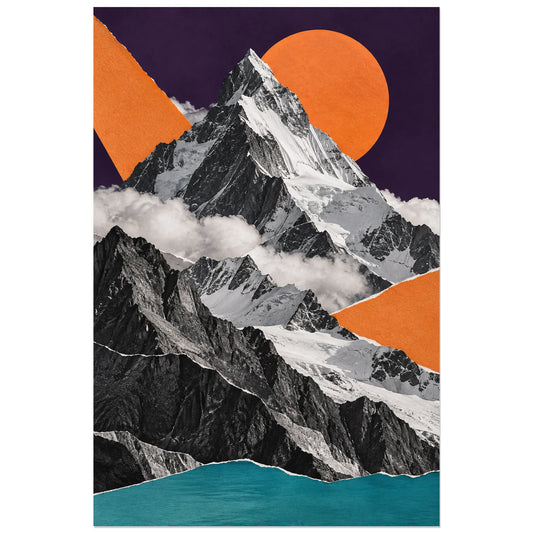
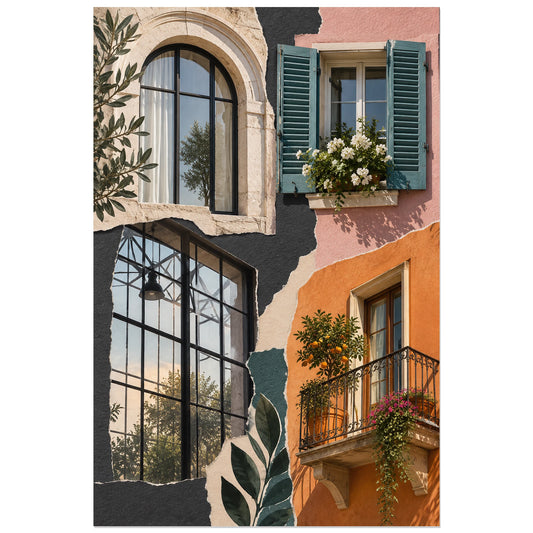
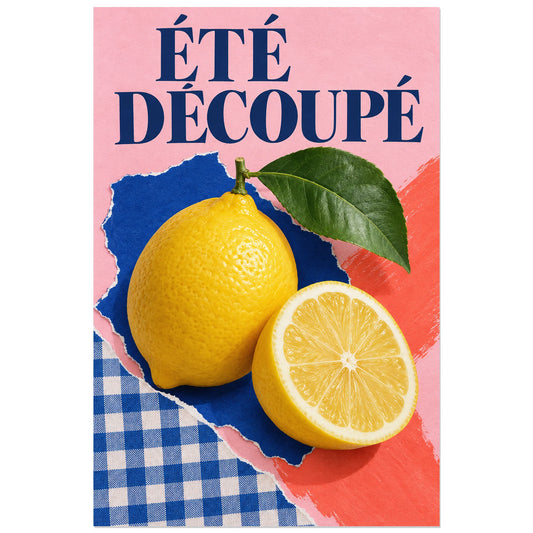
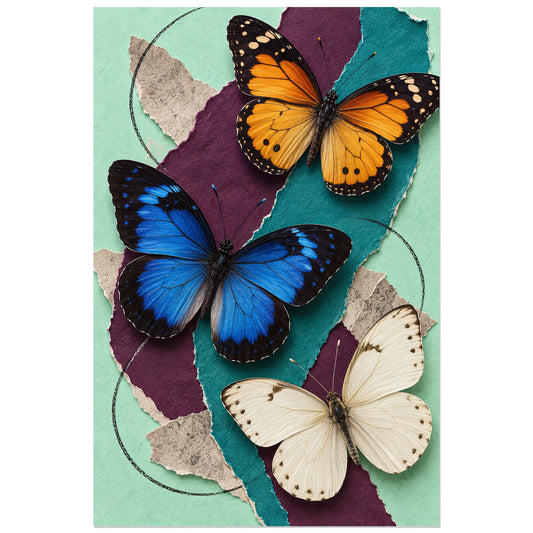
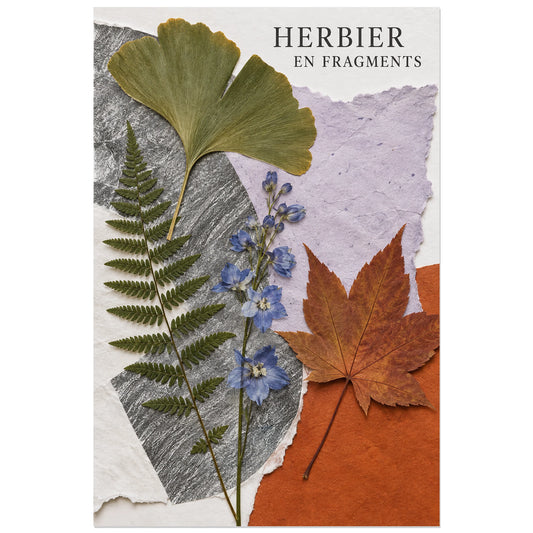
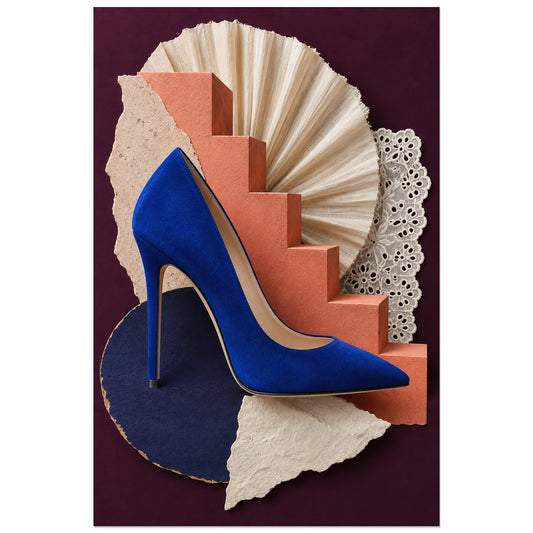
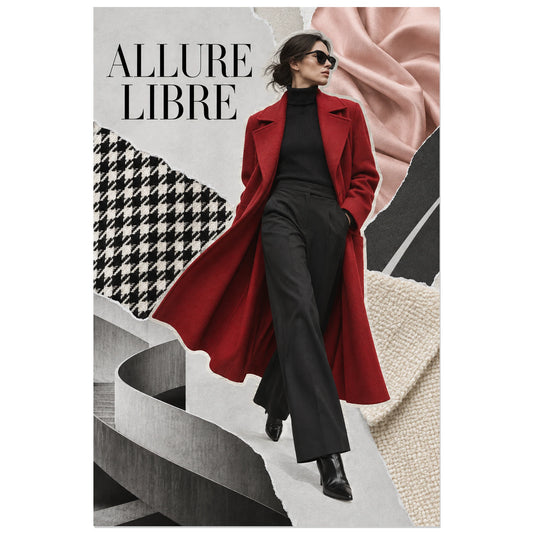
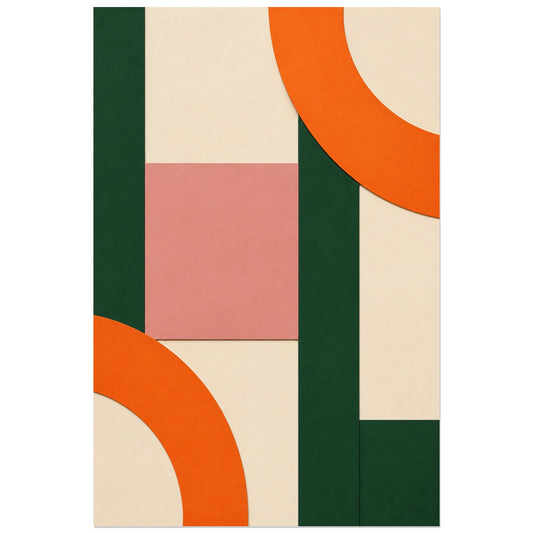
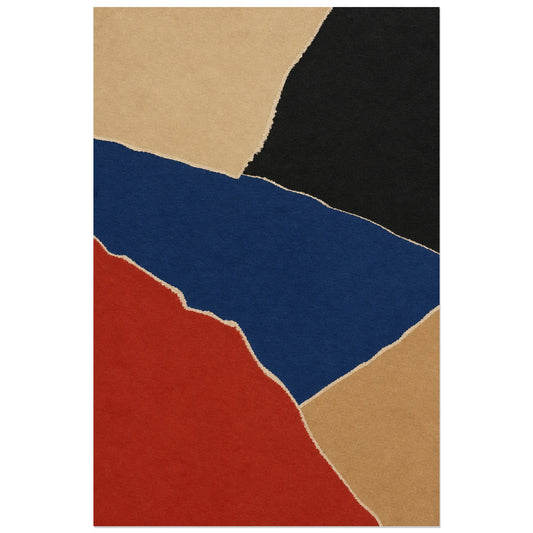
Collage brings together fragments not intended to coexist: cut paper, photography, pattern, colour and texture. Breaks in scale and superimposition create an open visual story, sometimes playful and sometimes poetic.
Assembling fragments to create new meaning
The variety of the subject emerges fully through cut papers, photographs, printed textures, silhouettes, isolated letters and objects moved from their context. Shifts in scale and material create a lively rhythm; a limited palette can instead give the assembly great coherence. The subject remains identifiable even when framing, season or technique changes completely.
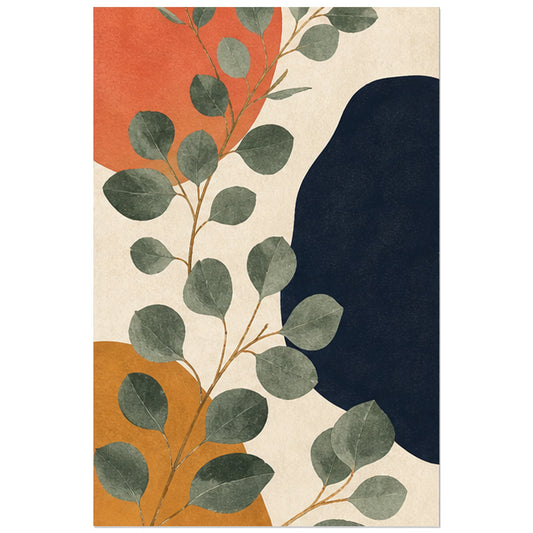
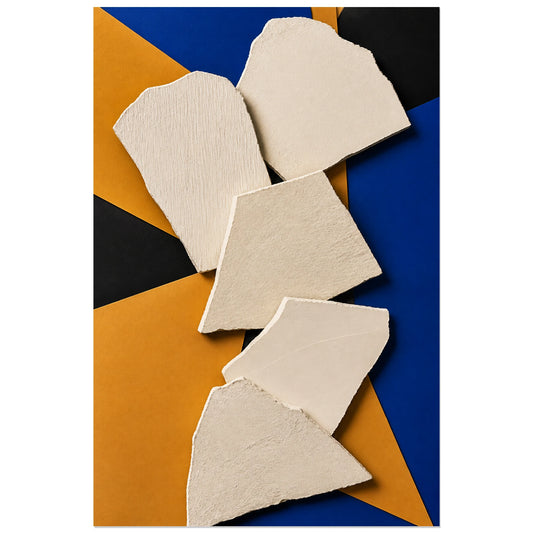
Collage rests on the encounter of recognisable fragments, whereas abstraction can dispense with any figurative element and geometry follows a more stable rule. These connections enrich the journey, but each world retains its own intention and character.
Making materials, scales and surprises converse
In an interior, this language brings material and very contemporary energy. A composition in limited tones remains easy to place in a study; brighter contrasts create a focal point in the living room. Richness comes not from the number of elements but from their relationships: torn edge, transparency, empty space and displacement build rhythm while keeping reading clear. Each fragment should retain its material so that the assembly remains genuinely tactile.
A lasting selection around collage begins with the desired effect: opening up, calming, structuring or surprising. This criterion helps distinguish two appealing images and gives the future wall arrangement a more personal coherence.
A narrative composition invites close viewing in a study or corridor. A very simple cut shape holds up better from a distance. In a gallery wall, a collage can act as a hinge between photography and illustration. Coherence ultimately comes from the relationship between images and space, not from an obligation to match every colour to the furniture.