

Office
Choose a graphic or figurative focal point near your workspace.
Explore the collection →
Multicoloured circles, luminous gradients and warm swirling forms: choose abstract canvas art...
Your cart
Living room, bedroom, kitchen, office or dining room: start with the room you want to decorate. Explore the relevant collections, then compare subjects and sizes with your furniture, wall and available space in mind.
Each card opens its collection. You can then compare the prints and check their sizes on the product pages.
Choose a graphic or figurative focal point near your workspace.
Explore the collection →
Choose the contrast, subject and placement above your bed.
Explore the collection →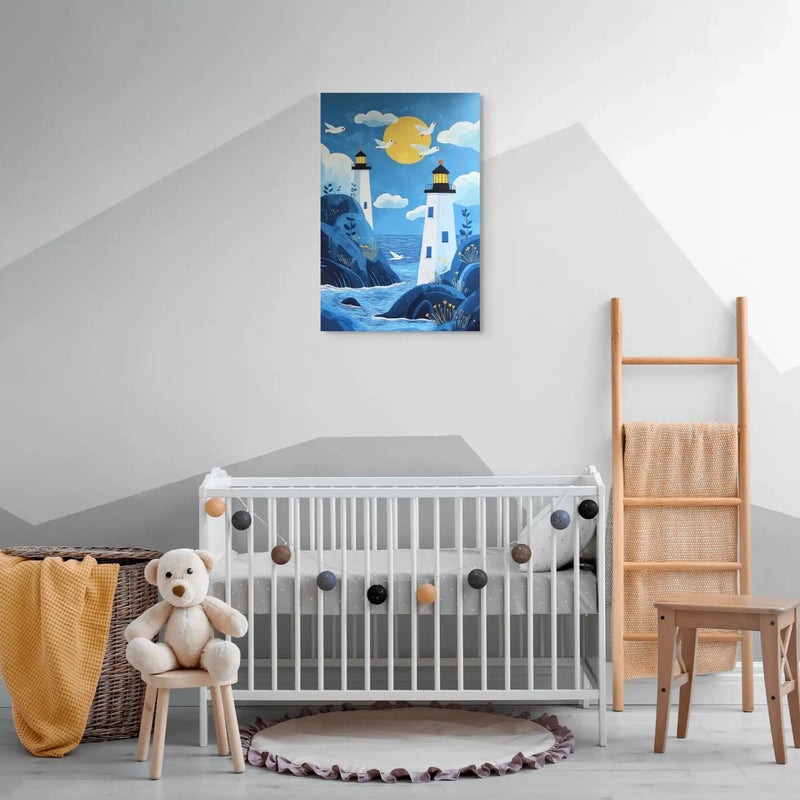
Explore designs and colors for the room.
Explore the collection →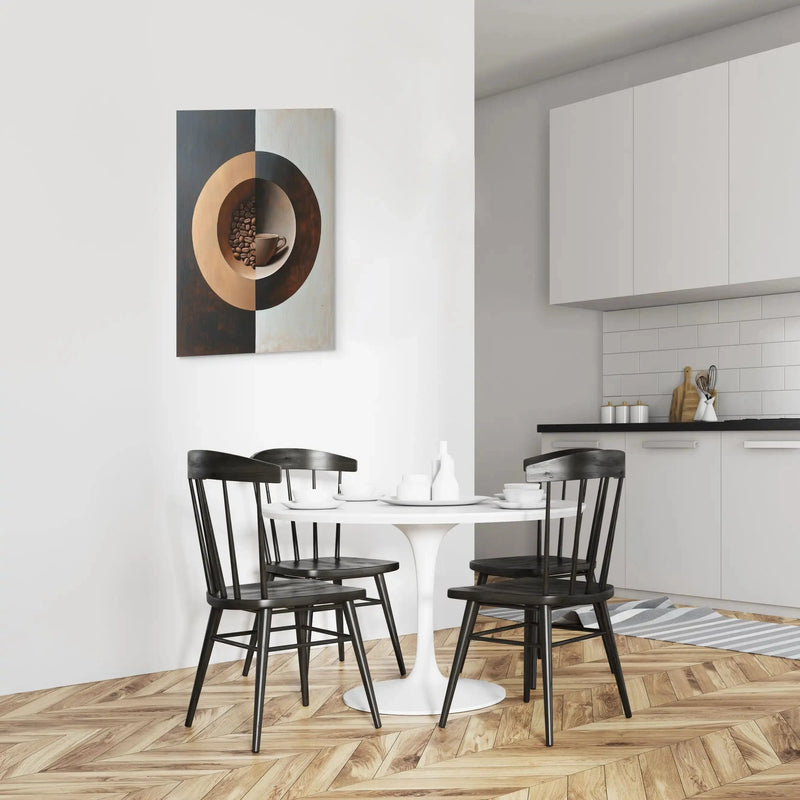
Discover subjects to complement this part of your home.
Explore the collection →
Connect the print with your table, furniture and lighting.
Explore the collection →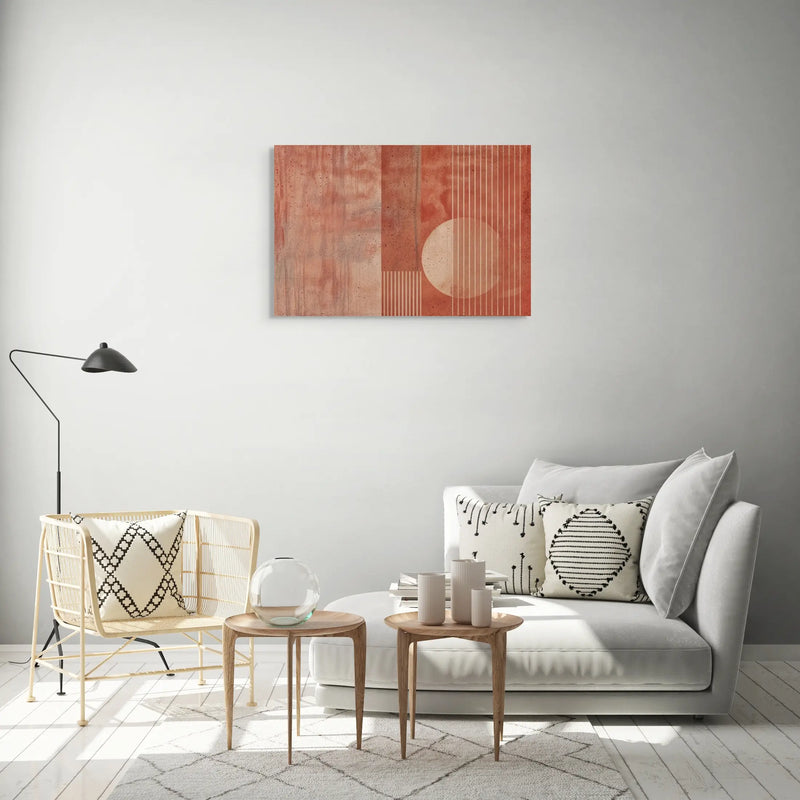
Compare subjects and sizes around your sofa or sideboard.
Explore the collection →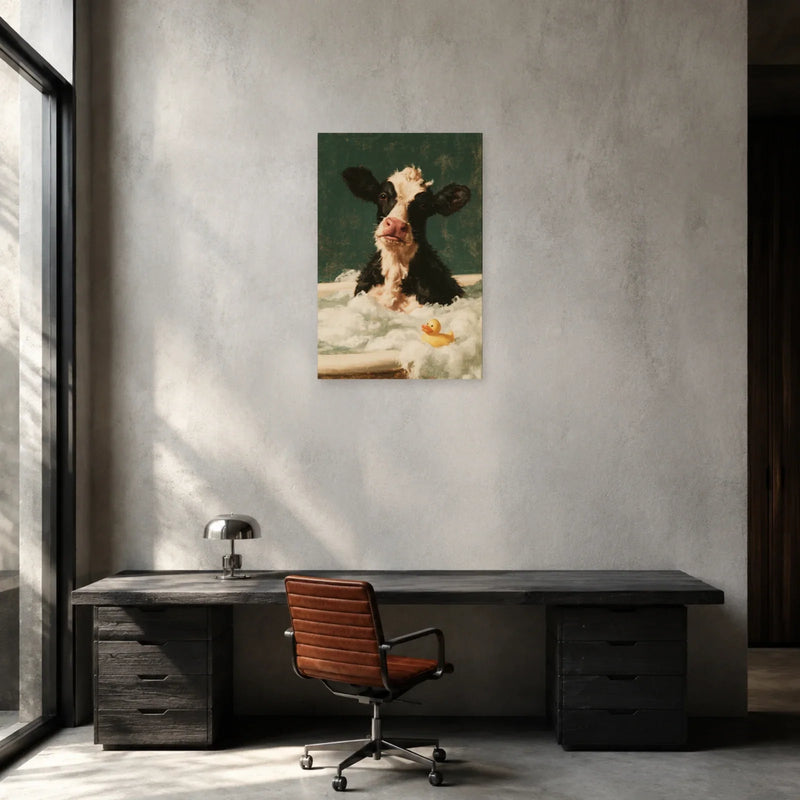
Compare designs and sizes for a small section of wall.
Explore the collection →The room’s purpose gives you a starting point, but the wall, furniture and viewing distance remain the most useful guides.
In a living room, first identify the space above a sofa or sideboard, or between two openings. In a bedroom, consider the placement in relation to the bed and the available light. The room collection helps you explore subjects; it does not replace measuring the wall.
An office or entryway may have a vertical space beside a bookcase. In a narrow passage, also consider the distance from which you will see the picture. Its details and visual presence read differently up close and from farther away.
In a kitchen that opens onto a living area, or a dining room next to the living room, repeat a shade or group of shapes to connect the spaces. You do not need the same subjects everywhere: a still life and an abstract print can share a palette.
The pictures are canvas prints, with care instructions provided on the product pages. A work’s inclusion in a “kitchen” or “restroom” collection does not by itself establish resistance to steam, humidity or splashes.
A bedroom can feature a landscape, graphic design or figurative subject. An office can be understated or colorful. Choose the level of detail and contrast you enjoy looking at, rather than assuming a subject automatically suits an entire room.
For a child’s room, compare the drawing and colors with the furniture and textiles. A simple motif, animal or illustrated scene can provide a thread to follow when choosing the other details of the decor.
Dimensions are given as width × height. A horizontal landscape often follows a wide piece of furniture; a vertical composition may suit a narrower space. Available sizes vary by print.
Mark the outline on the wall, step back and compare it with the furniture. If you combine several canvases, include their spacing in the total measurement. To explore a palette next, browse wall art by color and mood.
Start with a room where you have found a free wall and a specific place for a print. Open its collection, compare a few subjects, then check the dimensions. You do not need to choose all the pictures for your home at once.
Yes. A shared palette, subject or set of shapes can connect rooms. You can also vary the artworks to suit the furniture and available space, while keeping a single visual link from one room to the next.
Compare the proportions of the wall and furniture. A horizontal print follows the width; a vertical one takes up more height. Check the sizes of your chosen item and mark out its outline before ordering.
The category suggests a decorative setting and possible subjects. It does not guarantee particular resistance to water, heat or splashes. Refer to the specifications and care instructions on the product page.
The decorative wall art catalog brings together all the designs and filters. This page organized by room helps you find collections for the space you want to decorate.
Browse the decorative wall art catalog or continue exploring with wall art by color and mood.