James Rosenquist: Master of Pop Art and Advertising
Discover James Rosenquist, an iconic figure of Pop Art. Known for his monumental works and his innovative use of advertising techniques, Rosenquist transformed consumer culture into a form of critical and visionary art. Here is an overview of his life, his inspirations, and his lasting impact on contemporary art.
Essential Information about James Rosenquist
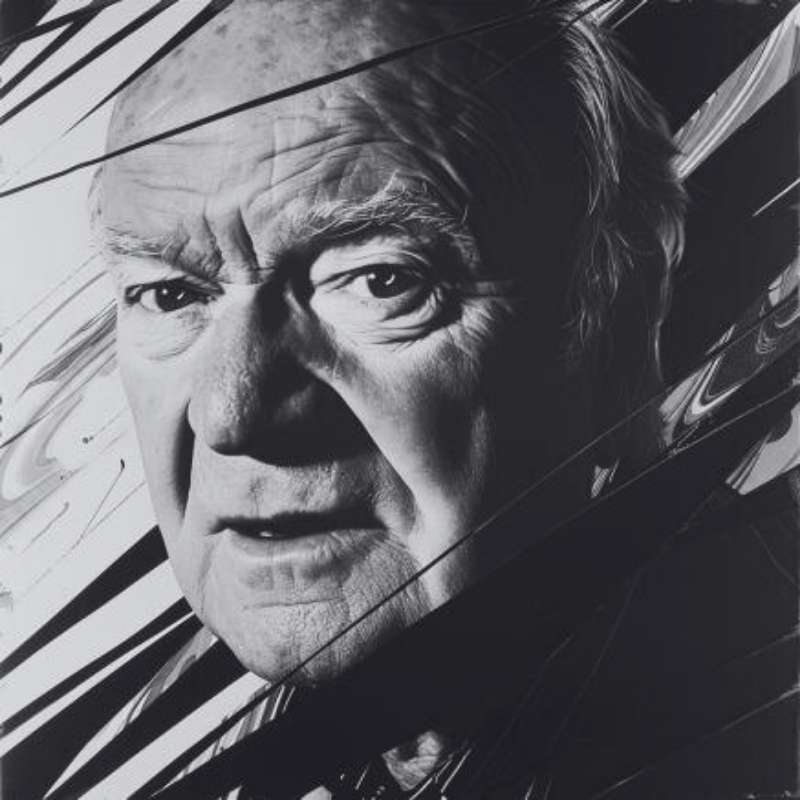
James Rosenquist was a major American painter of Pop Art. Born on 29 November 1933 in Grand Forks, North Dakota, he had a prolific career until his death on 31 March 2017 in New York. Rosenquist is known for his monumental and colorful works, which blend advertising and reality in a critical manner.
Known for his monumental and colorful canvases, James Rosenquist mixed advertising and reality to create works of art that critiqued contemporary society. His most celebrated works include "President Elect", "F-111" and "I Love You with My Ford".

Major Works
- President Elect is another emblematic work by Rosenquist, created between 1960 and 1961. This painting uses collage techniques to juxtapose advertising images and political portraits. By combining Chevrolet advertisements and instant cake packaging with the image of John F. Kennedy, Rosenquist critiques the commercialization of politics and the idealization of consumerism in American culture.
- F-111 is a monumental work by James Rosenquist, measuring 26 meters in length. This painting combines images from popular culture and military symbols to critique the Vietnam War and American consumer society. Using collages and vivid colors, Rosenquist juxtaposes images of bombers, women's hair, and canned food to create a complex satire of contemporary life during the Cold War.
- "I Love You with My Ford", created in 1961, is an emblematic work of Pop Art that juxtaposes elements of American consumer culture. This monumental painting presents a fragmented collage of images drawn from advertisements, including parts of a Ford car, everyday objects, and vivid colors. Through this composition, Rosenquist subtly critiques consumer society and explores the relationship between human intimacy and technology. The work, with its bold style and striking contrasts, perfectly reflects the aesthetic and concerns of Pop Art, and remains a defining piece in the artist's body of work.

Biography
James Rosenquist was born on 29 November 1933 in Grand Forks, North Dakota. He studied at the Minneapolis School of Art and at the Art Students League of New York. In 1955, he moved to New York to pursue his artistic career. His academic background and his move to New York played a crucial role in the development of his unique and innovative style.
Description of His Unique and Innovative Style
The style of Rosenquist is a combination of advertising and artistic techniques. He is recognized for his use of vivid colors, large formats, and advertising collages. This innovative approach allowed Rosenquist to distinguish himself within the Pop Art movement, transforming elements of consumer culture into critical art.
Influence of His Experience as an Advertising Painter on His Art
Before becoming a recognized Pop Art artist, Rosenquist worked as an advertising painter. This experience profoundly influenced his art, enabling him to employ billboard painting techniques. Rosenquist transformed advertising into art, using eye-catching images to critique consumer society.
Use of Image Juxtaposition and Everyday Objects
James Rosenquist is celebrated for his use of juxtaposing images and everyday objects in his works. He assembled advertising images and common objects to create complex compositions. This technique allowed Rosenquist to critique consumer society and offer a new perspective on reality.
Denunciation of Capitalism and Consumer Society
The work of Rosenquist is marked by a sharp critique of capitalism and consumer society. Through his paintings, he denounced the excesses and absurdities of consumer culture. Works such as "F-111" and "President Elect" are striking examples of this critique, using advertising images to expose the contradictions and problems of contemporary society.

His Artistic Journey
The artistic journey of James Rosenquist begins with his studies at the Minneapolis School of Art and the Art Students League of New York. His early career as an advertising painter strongly influenced his style. In 1960, Rosenquist abandoned this profession following a tragic accident that cost one of his colleagues his life. He then devoted himself entirely to art, developing a unique style characterized by large formats and advertising collages.
Connection to the Pop Art Movement
James Rosenquist is a major actor in Pop Art, alongside artists such as Andy Warhol and Roy Lichtenstein. His works draw from popular culture and mass media, transforming advertising images into social and political critiques. Pop Art painting allowed Rosenquist to comment on consumer society and create works that are both accessible and meaningful to a wide audience.
Recognition and Notable Exhibitions
Rosenquist received international recognition for his work. His works were exhibited in prestigious museums such as the MoMA, the Guggenheim, and the Whitney Museum. Among his most notable exhibitions was a major retrospective at the Guggenheim in 2003. Rosenquist was also honored with numerous awards and distinctions for his contribution to contemporary art.
Legacy and Influence
Importance in Art History
James Rosenquist occupies a central place in art history, particularly as a pioneer of Pop Art. His innovative use of advertising techniques and large formats transformed the perception of contemporary art. Rosenquist managed to critique consumer society while making art accessible to a wide audience, which consolidated his status as an influential and visionary artist.
Artists Influenced by His Work
The influence of Rosenquist can be felt among many contemporary artists. His ability to blend elements of advertising with social critiques has inspired artists such as Jeff Koons, Barbara Kruger, and Takashi Murakami. These artists, like Rosenquist, use their art to comment on and question consumer culture and mass media.
Legacy and Market Value
The works of Rosenquist continue to attract the interest of collectors and artistic institutions. The prices of his works vary considerably, with some prints selling for several hundred euros while his most precious paintings reach millions of euros. The value of Rosenquist on the art market remains high, reflecting the enduring importance of his work in the contemporary art landscape.

Quotes and Anecdotes
The Artist's Words and Testimonies
James Rosenquist frequently spoke about his art and inspirations in various interviews. He stated: "I have always been fascinated by the way advertising images can influence people's perceptions, and I wanted to use that to comment on the society we live in." Art critics and his contemporaries also praised his work. Andy Warhol noted: "Rosenquist has a unique ability to transform mundane elements into powerful and provocative works of art."
Anecdotes about His Life and Creative Process
One of the best-known anecdotes about Rosenquist is his transition from advertising painter to Pop Art artist. Working on giant billboards in Times Square, he learned to manipulate images and colors in spectacular ways. Another interesting anecdote is the tragic fall of one of his colleagues, which pushed him to definitively abandon his work as an advertising painter and devote himself entirely to art.
James Rosenquist knew how to transform consumer culture into a captivating and critical form of art. His works continue to resonate in the art world, inspiring new generations of artists and viewers alike. His ability to combine elements of advertising with thematic depth makes him an essential pillar of Pop Art.