
Discover Which Abstract Artist Inspires You Most
Abstract art — a universe where forms, colors, and textures intertwine to create a unique visual experience — continues to fascinate and inspire generations of art lovers. Far from literal representations, abstract art invites an inner exploration, offering a space of freedom where everyone can interpret and feel the works in their own way.
On this journey into the heart of abstraction, let's discover together the artists who revolutionized this field and those who continue to keep it alive today. Whether you are a seasoned connoisseur or a curious newcomer, this article is your guide to finding the abstract artist who will resonate with your soul and enrich your perception of art.
The Origins of Abstract Art

The history of abstract art is rich and complex, beginning at the very start of the 20th century. Artists such as Wassily Kandinsky and Piet Mondrian broke with the tradition of figurative representation, opening the way to a purely abstract form of expression. Kandinsky, often cited as the father of abstract art, explored the idea that colors and shapes could represent emotions and spiritual concepts, beyond any physical representation. Mondrian, with his geometric and minimalist approach, sought to express universal harmony through the balance of lines and colors. These pioneers laid the foundations of an artistic movement that continued to evolve, influencing generations of artists and reshaping our understanding of art.
Understanding Abstract Art: Beyond the Visual

Abstract art transcends mere visual representation to touch a broader emotional and intellectual spectrum. It is less about representing the real world than about expressing the inexpressible: emotions, ideas, the unconscious. Abstraction comes in several forms, such as lyrical abstraction, where personal expression and improvisation dominate, and geometric abstraction, which favors simple forms and rigorous compositions. This diversity of styles and approaches provides fertile ground for exploration and discovery, inviting each viewer into a personal and unique interaction with the abstract painting.
Techniques and Mediums of Abstract Art

Abstract artists use a wide range of techniques and materials to bring their visions to life. From classics such as oil or watercolor to experiments with new mediums like digital installations, abstract art constantly reinvents itself. Mixed media, combining painting, collage, and other materials, is also popular among abstract artists, allowing them to create rich textures and surprising visual effects. This freedom in the choice of mediums and techniques reflects the innovative and boundless spirit of abstract art.
Contemporary Abstract Artists to Discover
Contemporary abstract art is a kaleidoscope of talents and artistic visions. Here are some artists whose works captivate and inspire:

Mark Rothko
Mark Rothko is celebrated for his imposing canvases with floating color blocks. His works invite an intense emotional experience, plunging the viewer into a universe of contemplation and meditation.
Yayoi Kusama

Yayoi Kusama, with her immersive installations and repetitive dot motifs, offers a unique exploration of infinity and self-reflection. Her works are a vibrant celebration of life and unbounded imagination.
Gerhard Richter
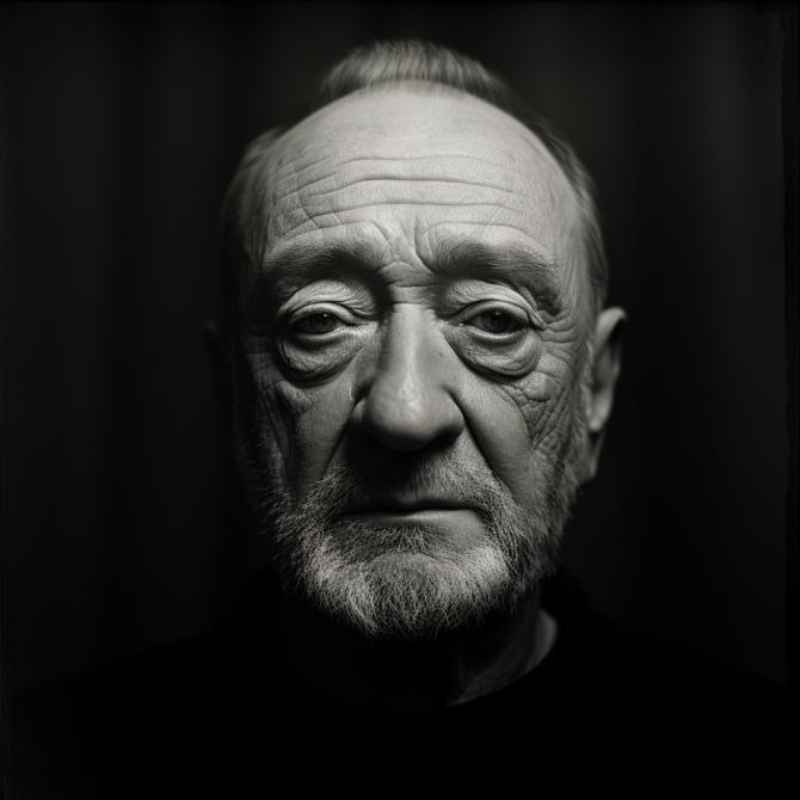
Gerhard Richter is a master of diversity, known for his lyrical abstractions as well as his photorealist works. His complex, multilayered practice defies the traditional categories of abstract art.
Zao Wou-Ki
Zao Wou-Ki, a Franco-Chinese artist, is recognized for his abstract landscapes blending Eastern and Western influences. His works evoke a sense of freedom and escape, capturing the essence of movement and light.
Louise Bourgeois
Louise Bourgeois, a central figure in modern art, is known for her sculptures and installations. Her work, deeply personal and emotional, explores themes such as family, sexuality, and the body.
Anselm Kiefer
Anselm Kiefer is a German artist whose works address historical and mythological themes. His paintings, often textured and material, reflect on collective memory and cultural identity.
Sol LeWitt
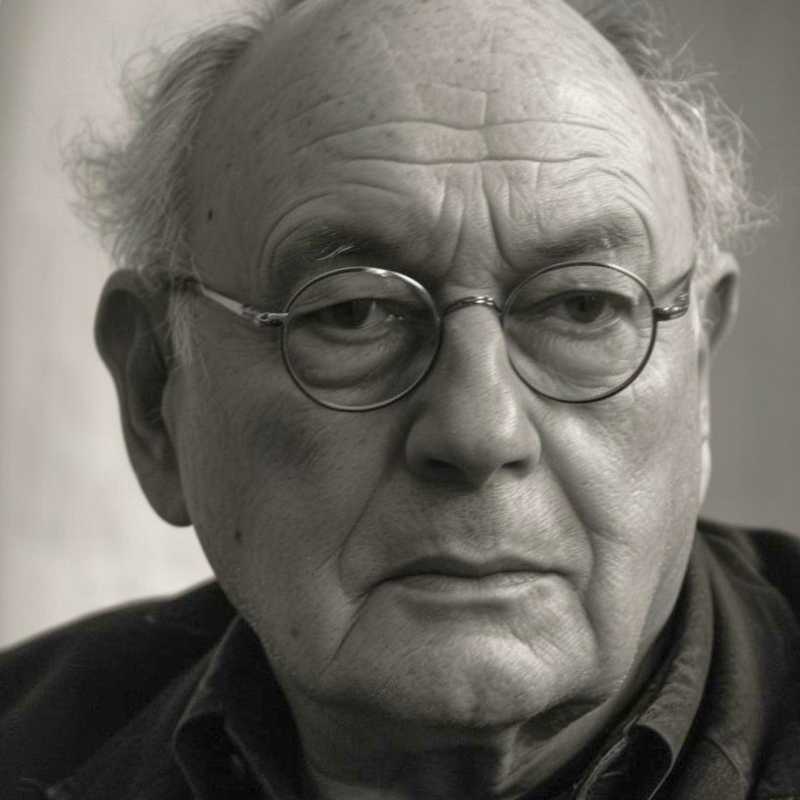
Sol LeWitt, a pioneer of conceptual and minimalist art, is celebrated for his geometric structures and wall drawings. His work centers on the idea that the concept or idea behind the work is more important than the work itself.
Lucio Fontana
Lucio Fontana, known for his "slash" canvases, explored the spatial dimension of art. His cuts and perforations in the canvas challenge the traditional notion of the pictorial surface and invite a new perception of space.
Jean Tinguely
Jean Tinguely is celebrated for his kinetic sculptures, which bring a dimension of movement to abstract art. His mechanical and interactive works are a playful blend of art and technology.
Hilma af Klint

A pioneer of abstraction, Hilma af Klint created works that are both mystical and innovative. Her paintings, dating from the early 20th century, foreshadow many trends in modern abstract art.
Each of these artists makes a unique contribution to abstract art, offering a range of perspectives and inspirations. Their work continues to influence and define the landscape of contemporary art.
The Impact of Abstract Art on Modern Design

The influence of abstract art extends well beyond galleries and museums, permeating modern design in its many facets. Whether in interior design, fashion, or advertising, the principles of abstraction — bold use of color, asymmetry, geometric forms — have become key elements of the contemporary visual language. In architecture, abstraction inspires innovative structures that break with traditional forms. In interior design, abstract works are frequently used to bring a touch of modernity and dynamism. In this way, abstract art ceaselessly enriches and transforms our everyday environment.
Investing in Abstract Art: Tips and Advice

Investing in abstract art can be both rewarding and intimidating. Here are some tips for those wishing to start a collection:
- Research and Educate Yourself: Familiarize yourself with the different movements and artists in abstract art.
- Visit Galleries and Exhibitions: This is the best way to discover new artists and experience the works firsthand.
- Buy What You Love: Art must resonate with you on a personal level, beyond its potential value as an investment.
- Consider the Display Space: Make sure the work harmonizes with the space where it will be exhibited.
How to Choose the Right Abstract Artwork?

Choosing the right abstract artwork for your space can be an enriching experience. Consider the mood and style of your space, as well as your emotional and intellectual reactions to the work. Don't hesitate to seek advice from experts or gallery owners, and take time to reflect before making your choice.
Abstract Art in Digital Space
With the advent of digital technologies, abstract art has found new platforms for expression. Social media, online galleries, and virtual exhibitions offer unprecedented possibilities for discovering and sharing abstract art. This digital evolution makes art more accessible and opens the way to new forms of artistic expression.

Abstract art is a fascinating and ever-evolving field of artistic creation. From its revolutionary origins to its influence on modern design, it offers an infinite space for exploration and personal expression. Whether you are a seasoned collector or an art enthusiast, abstract art has the power to transform your perception of art and the environment around you. Let yourself be inspired and begin your own journey into the vibrant and diverse world of abstract art.