David Hockney: The Contemporary Master of Color and Perspective
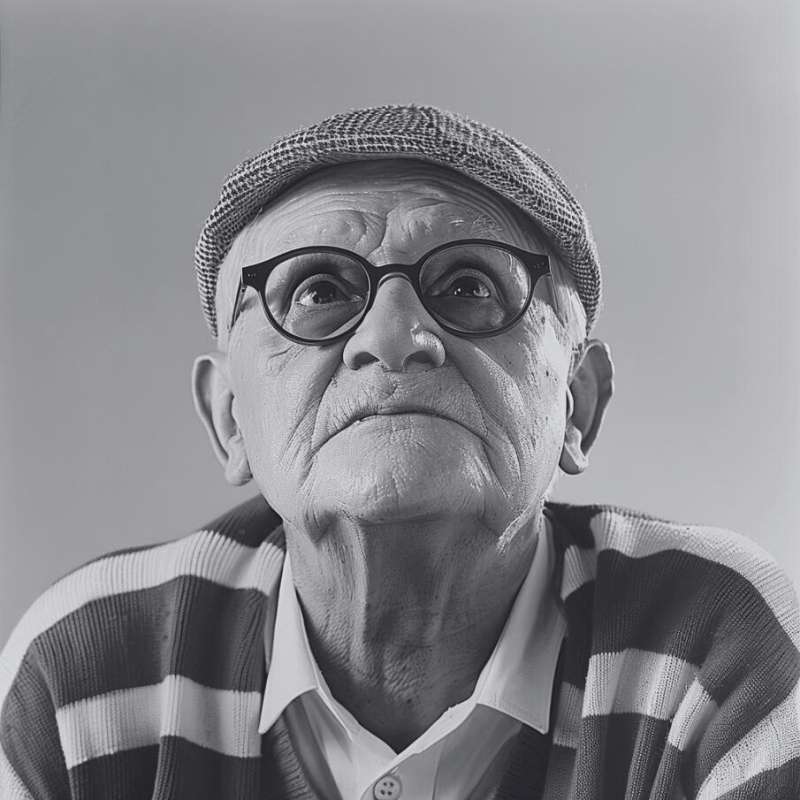
David Hockney, one of the most influential British artists of the contemporary era, is recognized for his innovative use of color and perspective. Born in Bradford, England, Hockney revolutionized the art world with his paintings, photographs, and digital creations. This article explores the life, works, and enduring influence of Hockney in the world of modern and contemporary art.
Notable Works

A Bigger Splash (1967)
"A Bigger Splash" is one of David Hockney's most celebrated works. Completed in 1967, this painting depicts a Californian swimming pool with a dramatic splash at its center. The work is known for its bold use of color and its simple yet captivating composition. Hockney captured the essence of Californian life, emphasizing light and space — elements that would become hallmarks of his style. This canvas is an icon of Pop Art.
Portrait of an Artist (Pool with Two Figures) (1972)
"Portrait of an Artist (Pool with Two Figures)" is another emblematic work by Hockney. This painting juxtaposes two figures, one swimming underwater and the other standing at the edge of the pool, creating a fascinating visual dialogue between the two characters. The use of perspective and light in this work demonstrates Hockney's mastery in creating complex, emotionally charged compositions. This oil on canvas is a perfect example of Hockney's art in capturing intimate moments with great visual clarity.
Mr and Mrs Clark and Percy (1971)
"Mr and Mrs Clark and Percy" is an iconic portrait by David Hockney. Painted in 1971, it depicts designer Ossie Clark and his wife Celia Birtwell with their cat, Percy. The work is celebrated for its intimate and detailed rendering of its subjects, as well as its subtle use of light and shadow. Hockney captured not only the appearance of the subjects, but also their personalities and their relationship. This painting is frequently displayed in modern art galleries and is a masterpiece of modern art.
Relationships with Other Artists

Collaboration with Peter Schlesinger
David Hockney and Peter Schlesinger shared a close personal and professional relationship that influenced many of Hockney's works. Schlesinger, a young artist and model, became one of Hockney's frequent subjects during the 1960s and 1970s. Their collaboration gave rise to several portraits and intimate scenes that capture the complex dynamics of their relationship. These works are often displayed in temporary exhibitions and permanent collections around the world.
Friendship with Andy Warhol
The friendship between David Hockney and Andy Warhol was marked by creative exchanges and mutual influences. Warhol, a central figure of Pop Art, invited Hockney to his studio, the Factory, where they shared ideas and techniques. This friendship allowed Hockney to connect with the American art scene and reinforce his own unique style. Their interactions were frequently documented in various media, including videos and photographs.
The Influence of Francis Bacon
Francis Bacon, one of the most celebrated British artists of the twentieth century, had a notable influence on the work of David Hockney. Bacon, known for his expressive and often disturbing paintings, inspired Hockney to explore darker and more introspective themes in his own work. The relationship between the two artists is marked by mutual admiration and a recognition of the impact of their respective works on the art world. This influence is visible in Hockney's more abstract works.
Social Engagement and Activism

Advocacy for LGBTQ+ Rights
As an openly gay man, David Hockney has used his art to advocate for LGBTQ+ rights. His works frequently address themes of identity, love, and sexuality, offering visibility and positive representation for the LGBTQ+ community. Hockney has also participated in initiatives and events to support LGBTQ+ rights, using his fame to promote equality and acceptance. His works are often featured in exhibitions related to diversity and human rights.
Contribution to Art Education
David Hockney has always been passionate about art education. He has given lectures, written books, and participated in educational programs to inspire young artists. Hockney firmly believes that art should be accessible to everyone and has worked to democratize art through his educational initiatives. His contribution to art education continues to have an impact on many generations of aspiring artists. His works are frequently used as examples in art history and visual arts courses.
Biography of David Hockney
Youth and Training
David Hockney was born on 9 July 1937 in Bradford, England. From a very young age, he demonstrated a talent for drawing and painting. He studied at Bradford College of Art and later at the Royal College of Art in London, where he developed his unique style and began to make a name for himself in the art world. His formative years were marked by experiences that shaped his artistic vision, including his travels and his encounters with other influential artists such as Picasso and Cézanne.
Early Career in London and Los Angeles
After completing his studies, David Hockney quickly established himself as a major figure on the London art scene. His early exhibitions were well received, and he began to attract the attention of collectors and critics. In the 1960s, Hockney moved to Los Angeles, where he found a new source of inspiration in the light, space, and Californian lifestyle. This period was particularly prolific, resulting in some of his most celebrated works, often exhibited in modern art galleries.

Artistic Movement and Influence
Pop Art and Hyperrealism
The work of David Hockney is rooted in the movements of Pop Art and Hyperrealism. Influenced by popular culture and new artistic techniques, Hockney experimented with photography, collage, and digital technologies. His Pop Art works often capture scenes from everyday life with exceptional precision and clarity, while using vivid colors and innovative compositions to create surprising visual effects. He also explored interactive media and video installations.
Collaboration with Other Artists
David Hockney collaborated with many contemporary artists, including Peter Schlesinger, Andy Warhol, and Francis Bacon. These collaborations enriched his work and enabled creative exchanges that left their mark on twentieth-century art. By working with these artists, Hockney was able to explore new ideas and techniques, reinforcing his own style and contributing to the evolution of contemporary art. His collaborations also include projects with renowned designers and architects.
Unique Artistic Style
The artistic style of David Hockney is recognizable by its bold use of color, its innovative compositions, and its constant exploration of new technologies. Hockney frequently used simple shapes and recurring motifs to create dynamic and expressive compositions. His works address varied themes, ranging from everyday life to more introspective subjects, while remaining accessible and comprehensible to a wide audience. He also explored the medium of acrylic on canvas, producing vibrant and luminous works.
Exhibitions and Collections
Renowned Museums and Institutions
The works of David Hockney are exhibited in prestigious museums and institutions around the world, including Tate Britain, the Museum of Modern Art (MoMA), and the Los Angeles County Museum of Art. Hockney has also been exhibited at the Centre Pompidou, the Fondation Louis Vuitton, and the Royal Academy of Arts. These exhibitions have highlighted the importance and influence of his work in the contemporary art world. Retrospectives and posthumous exhibitions continue to celebrate Hockney's legacy, attracting crowds and receiving critical acclaim.
Works Sold at Auction
The works of David Hockney sell for high prices at auction, reflecting their artistic value and enduring appeal. Some of his pieces have reached millions of dollars at prestigious auction sales. Works such as "Portrait of an Artist (Pool with Two Figures)" and series such as "A Bigger Splash" are particularly sought after. The high prices commanded by his works reflect not only the quality of his art, but also its cultural and social impact. Auction results demonstrate that interest in Hockney's work shows no signs of fading, even decades after its creation. His works are also present in numerous private and public art collections.
Legacy and Influence

Influence on Contemporary Art
The style and approach of David Hockney have influenced many contemporary artists. His bold use of color and innovative perspectives, as well as his social and personal themes, have inspired a new generation of artists. Artists such as Damien Hirst, Jeff Koons, and Tracey Emin acknowledge Hockney's influence on their own works. Hockney demonstrated that art could be both aesthetically captivating and technically innovative — a combination that continues to resonate in the contemporary art world. His work in photography and digital technologies has also opened the way for new forms of artistic expression.
Posthumous Tributes and Collaborations
Since his international recognition, numerous exhibitions and collaborations have been organized to honor the legacy of David Hockney. Institutions such as the Fondation Louis Vuitton and the Centre Pompidou have presented retrospectives of his work, celebrating its impact on art and popular culture. Collaborations with brands such as Lacoste and UNIQLO have kept his work alive and accessible to new generations. Tributes to Hockney also include community and educational projects inspired by his values and social engagement. These efforts perpetuate Hockney's mission to make art accessible and to use it as a powerful tool for communication. His works continue to be a source of inspiration in series of exhibitions around the world.
David Hockney remains an iconic figure of Pop Art and Hyperrealism, having left an indelible mark on the art world and beyond. His unique style, vibrant works, and social engagement continue to inspire and resonate with artists and audiences alike. Retrospectives and posthumous tributes attest to the lasting impact of his work and the continued relevance of his messages. Through his artistic and educational contributions, Hockney remains a model for those who seek to use art as a powerful means of communication and social change.